The US proposed a UN Security Council resolution Tuesday to defend freedom of navigation in the Strait of Hormuz.
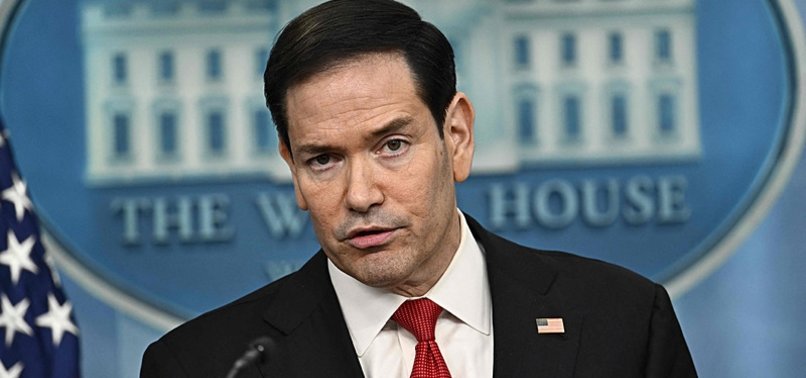
"At President Trump's direction, the United States, alongside Bahrain and our Gulf partners, Saudi Arabia, the United Arab Emirates, Kuwait, and Qatar, drafted a UN Security Council Resolution to defend freedom of navigation in the Strait of Hormuz," Secretary of State Marco Rubio said in a statement.
Rubio said the move came as "the Islamic Republic of Iran continues to hold the world's economy hostage with its efforts to close the Strait of Hormuz, threats to attack ships in the Strait, laying of sea mines that pose a danger to shipping, and attempts to charge tolls for the world's most important waterway."
"The draft resolution requires Iran to cease attacks, mining, and tolling," said Rubio, adding that it "demands that Iran disclose the number and location of the sea mines it has laid and cooperate with efforts to remove them, while also supporting the establishment of a humanitarian corridor."
"The United States looks forward to this resolution being voted on in the coming days and to receiving support from Security Council members and a broad base of co-sponsors," he added.
Regional tensions have escalated since the US and Israel launched strikes against Iran on Feb. 28, triggering retaliation from Tehran and disruptions in the Strait of Hormuz.
A ceasefire took effect April 8 through Pakistani mediation, but talks in Islamabad failed to produce a lasting agreement. The truce was later extended by US President Donald Trump without a set deadline.
Since April 13, the US has enforced a naval blockade targeting Iranian maritime traffic in the strategic waterway.


