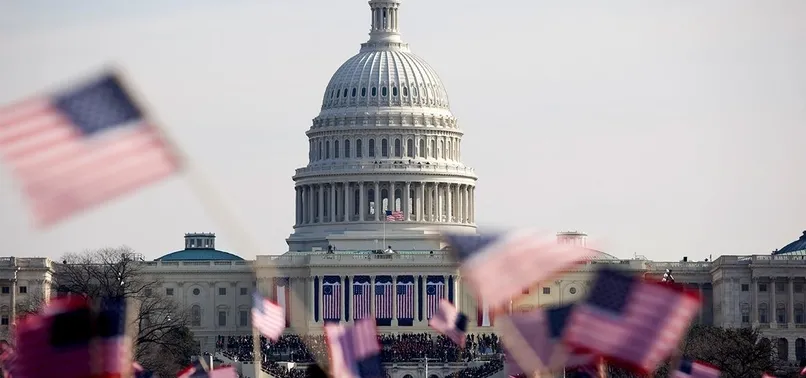
As the November 3 US congressional midterm elections approach, nationwide polls suggest Democrats hold an advantage in both the House of Representatives and the Senate, although closely contested races could determine the final outcome.
Americans will vote for all 435 seats in the House of Representatives and 35 of the Senate's 100 seats.
According to polling averages compiled by RealClearPolitics (RCP), Democrats are projected to secure 46 Senate seats, compared with 44 for Republicans, while 10 races remain too close to call.
Of those competitive seats, eight lean Republican and two lean Democratic. Republicans could still maintain Senate control if they win enough closely contested races, as Vice President JD Vance would have the deciding vote in a 50-50 split.
In the House of Representatives, where 218 seats are needed for a majority, RCP projections indicate Democrats could secure 227 seats, compared with 182 for Republicans.
Another 26 seats remain highly competitive, making these races crucial to the final balance of power.
Republicans currently hold 53 Senate seats, while Democrats have 45. Two independent senators generally align with Democrats.
In the House, Republicans control 218 seats, Democrats hold 214, and one seat belongs to an independent lawmaker, while two seats remain vacant.
With election day approaching, the outcome of closely contested races will determine which party controls Congress.


