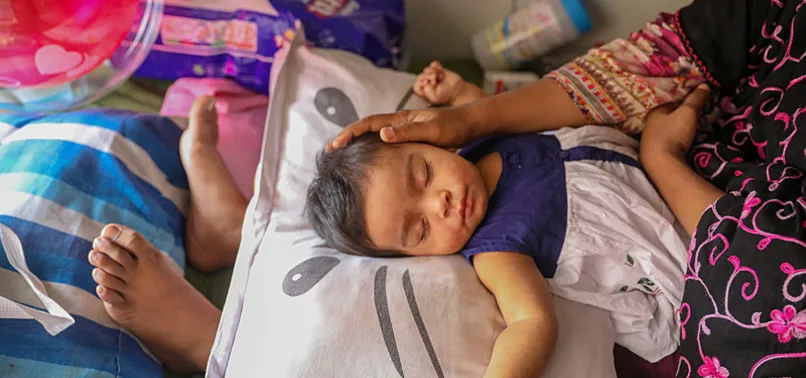
Two more children died after showing measles-like symptoms, while more than 1,000 new suspected and confirmed cases were reported in Bangladesh over the past 24 hours, health authorities said Tuesday.
The number of deaths linked to measles rose to 849, including 96 medically confirmed fatalities since mid-March, according to the Directorate General of Health Services (DGHS).
During the same period, authorities recorded 896 suspected cases and 123 laboratory-confirmed infections, bringing the totals to 131,946 suspected cases and 16,531 confirmed cases, the DGHS said.
Bangladesh, a South Asian country of around 175 million people, has struggled to contain the outbreak and has become the country most affected by measles, according to the World Health Organization.
The WHO said Bangladesh had previously achieved herd immunity against measles but lost it in recent years because of declining vaccination coverage.
The Health Ministry has vaccinated more than 18.48 million children since April 5.
Measles remains one of the leading causes of vaccine-preventable deaths among children worldwide.
Nearly nine in 10 measles-affected families reported borrowing money to pay for treatment, while six in 10 said they had exhausted their savings, according to a joint assessment released Monday by the Bangladesh Red Crescent Society and the International Federation of Red Cross and Red Crescent Societies (IFRC).
The assessment, conducted among 2,746 families receiving treatment at 12 government medical colleges and district hospitals across Bangladesh, found that the financial impact of the outbreak extended far beyond medical expenses.
Children aged 4 or younger accounted for 75% of the patients in the surveyed families.
Among respondents who disclosed their occupation, 78% relied on informal employment and earned between 6,000 taka ($48.49) and 20,000 taka ($161.64) per month, leaving them particularly vulnerable to income losses during prolonged illness.
"The effects of this measles health emergency do not end at the hospital door, as families often face difficult financial limitations while caring for sick children or other family members, and these findings demonstrate why humanitarian assistance and strong social protection systems are both essential during public health emergencies," said Alberto Bocanegra, the IFRC's head of delegation in Bangladesh.


