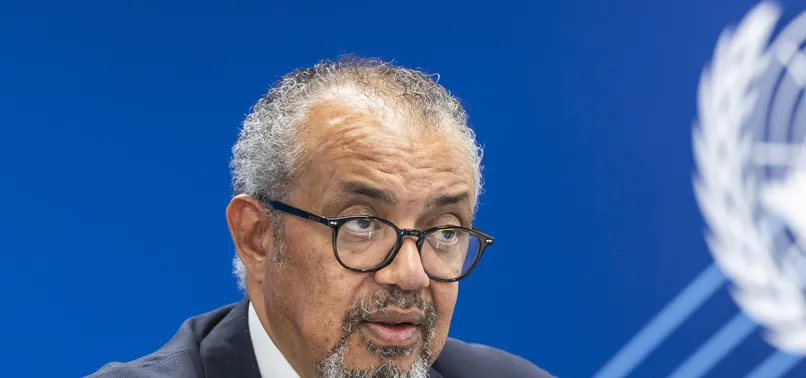
The Ebola outbreak in the Democratic Republic of Congo is spreading faster than partners can scale up the response, World Health Organization (WHO) Director-General Tedros Ghebreyesus warned Wednesday.
The latest outbreak in Congo has become the world's second-largest Ebola outbreak by recorded infections.
At least 3,874 cases, including 1,751 deaths, have been recorded since the outbreak was declared in mid-May, according to the latest Health Ministry situation report.
The case fatality rate stands at 45.1%.
Tedros was in Kinshasa, where he met health and humanitarian partners supporting the Ebola response to discuss the challenges.
The outbreak is "spreading faster than our scale up of the response, with new cases doubling in some hotspots over the past week alone," he said in a post on the US social media company X.
"We all agree that we must urgently and massively scale up all our efforts across all pillars of the response and by all partners."
He stressed the need to place communities at the centre of the response, saying Ebola could not be stopped without their trust, leadership and partnership.
"That means reaching every affected community despite insecurity and displacement, strengthening coordination under the Government's leadership, ensuring health workers have the protection, training and support they need, and accelerating access to care, surveillance and safe, dignified burials," he said.
Meanwhile, Congo and Uganda have established a mobile laboratory at their shared border in Kasenyi to strengthen Ebola diagnostic capacity.
Located on the western shores of Lake Albert in eastern Congo's Ituri province, Kasenyi is a strategic border crossing with Uganda and is home to more than 94,000 people, making it particularly vulnerable to the spread of epidemic-prone diseases.
In a statement, the WHO said the laboratory would allow the rapid confirmation of cases, support cross-border surveillance and help interrupt chains of transmission.


