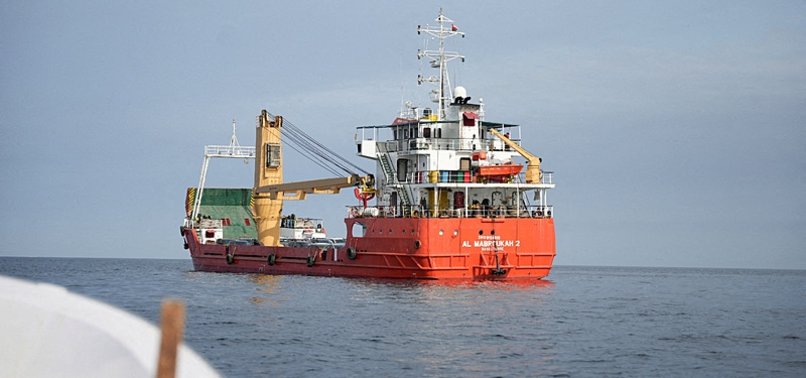
The number of ships passing through the Strait of Hormuz is down more than 95% since the US and Israel initiated a war against Iran, the UN said Tuesday.
"Ship transits related to the Strait of Hormuz have decreased by 95.3% since 28th February, while commodity food prices has risen by 6% and crude oil prices for Europe have risen by 53%," spokesperson Stephane Dujarric told reporters at the UN's New York headquarters.
Dujarric was referring to the date that the US and Israel began to carry out sweeping attacks across Iran, prompting Tehran to retaliate with missile and drone barrages, but also announcing the closure of the vital waterway.
The Strait of Hormuz is one of the world's most critical energy chokepoints, with roughly one-fifth of global oil supply passing through it daily prior to the start of the war.
The waterway has faced disruptions since early March following the outbreak of the war. The conflict is currently on hold under a ceasefire, while diplomatic efforts are ongoing to reach a lasting agreement.
Amid the truce, US President Donald Trump has imposed a blockade on all ships traveling to or from Iranian ports as Tehran continues to interdict and harass any ship that passes through the strait without its approval.


