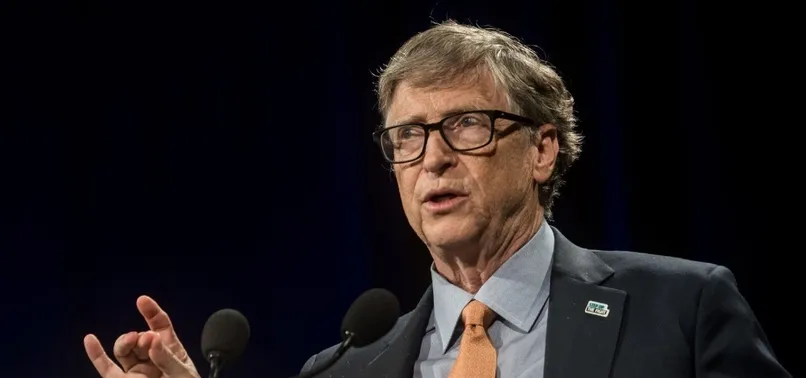
In an interview with NBC News, Bill Gates emphasized that self-regulation is insufficient, stating that politicians and law enforcement in Washington should be directly involved in security measures and oversight processes.
The businessman stated that companies deciding to slow down on their own would be inadequate, arguing that a legal imperative is essential to prevent malicious individuals from causing large-scale damage using the latest artificial intelligence tools.
Recently, CEOs of major AI labs like Anthropic and OpenAI have agreed that development needs to be slowed down, while a whistleblower who resigned from Anthropic claimed that companies were endangering human lives like gamblers.
In contrast, House Speaker Mike Johnson argues that Congress should not take hasty steps that would harm national security, stating that companies have not yet presented a clear legal roadmap.
There are sharp disagreements among technology world leaders regarding the speed and safety of artificial intelligence. While OpenAI CEO Sam Altman called for international standards and meaningful human oversight at the United Nations, Meta CEO Mark Zuckerberg argues that there is no need for industry-wide coordination and each lab should ensure its own internal security.
Microsoft President Brad Smith, on the other hand, emphasizes that companies should prioritize passenger safety above all else, rather than constantly competing with each other. While federal-level discussions continue, governors of states like California, Maryland, and New York have begun to implement new plans and executive orders to strengthen AI safety in their regions.


